The Witnessing Void
What remains of a highland seed vault.
Notes 備考
Seed Library & Memorial
Architecture · 2026
Optional Studio IV
Not merely a facility for storing seeds, but a structure dedicated to preservation, loss and memory.
Under a warming climate, highland species are disappearing. This building is conceived as the Pittsburgh branch of a global network for their conservation: far from the highlands, yet continuously collecting, researching, exchanging and preserving their seeds.
A compressed timeline
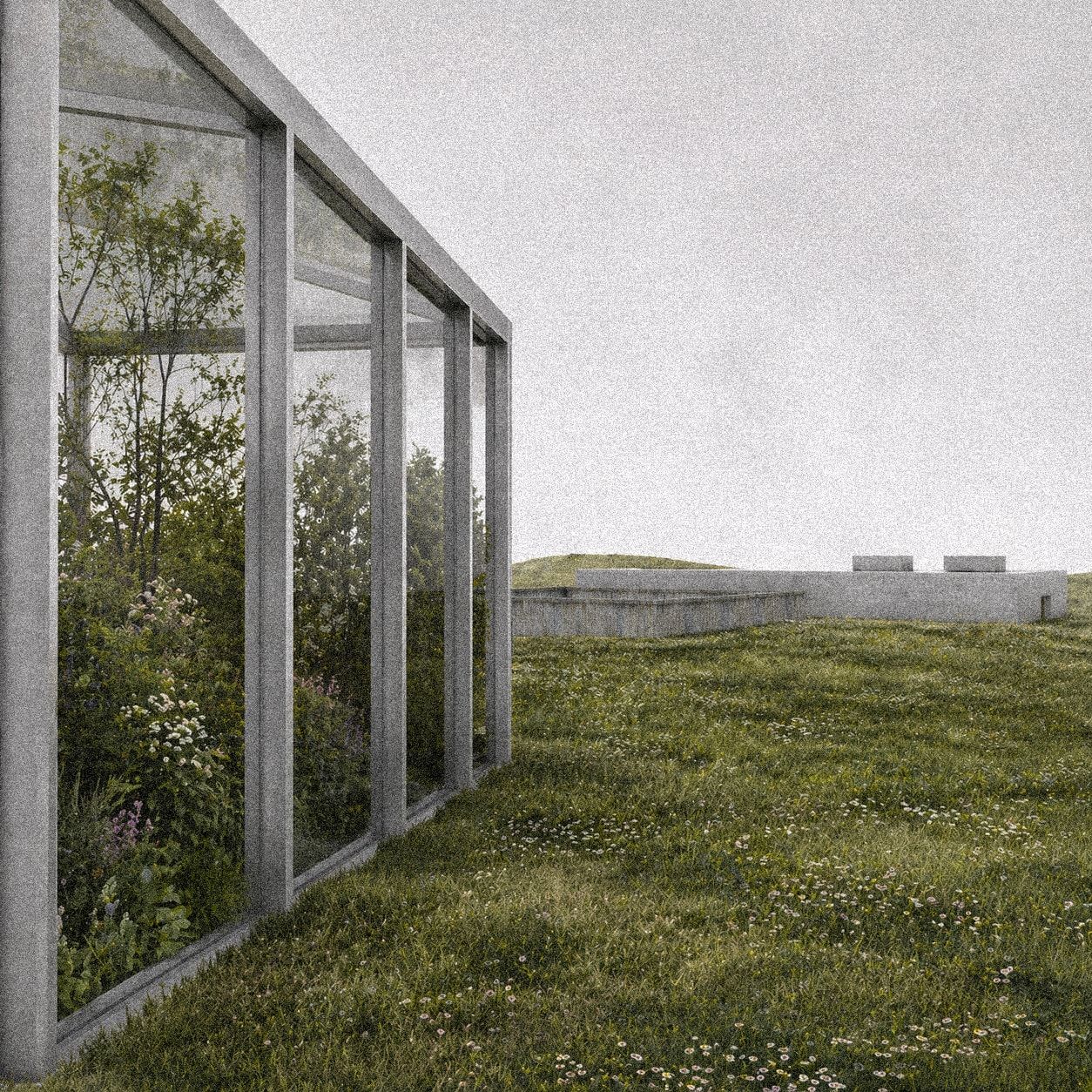
Semi-embedded in the hillside, the building is an incision between the surface and the underground. Its central axis runs from a greenhouse, through a long, narrow corridor, to a sunken pit.
Upper Datum Plan50 ft Space of Growth
The greenhouse: growth, continuity, life that endures.
Middle Datum Plan50 ft Space of Transformation
The corridor: its walls tell how the highlands have changed, and observation ports look into the archive and the vault. Here, “living seeds” become “public memory.”
Lower Datum Plan25 ft Space of Memory
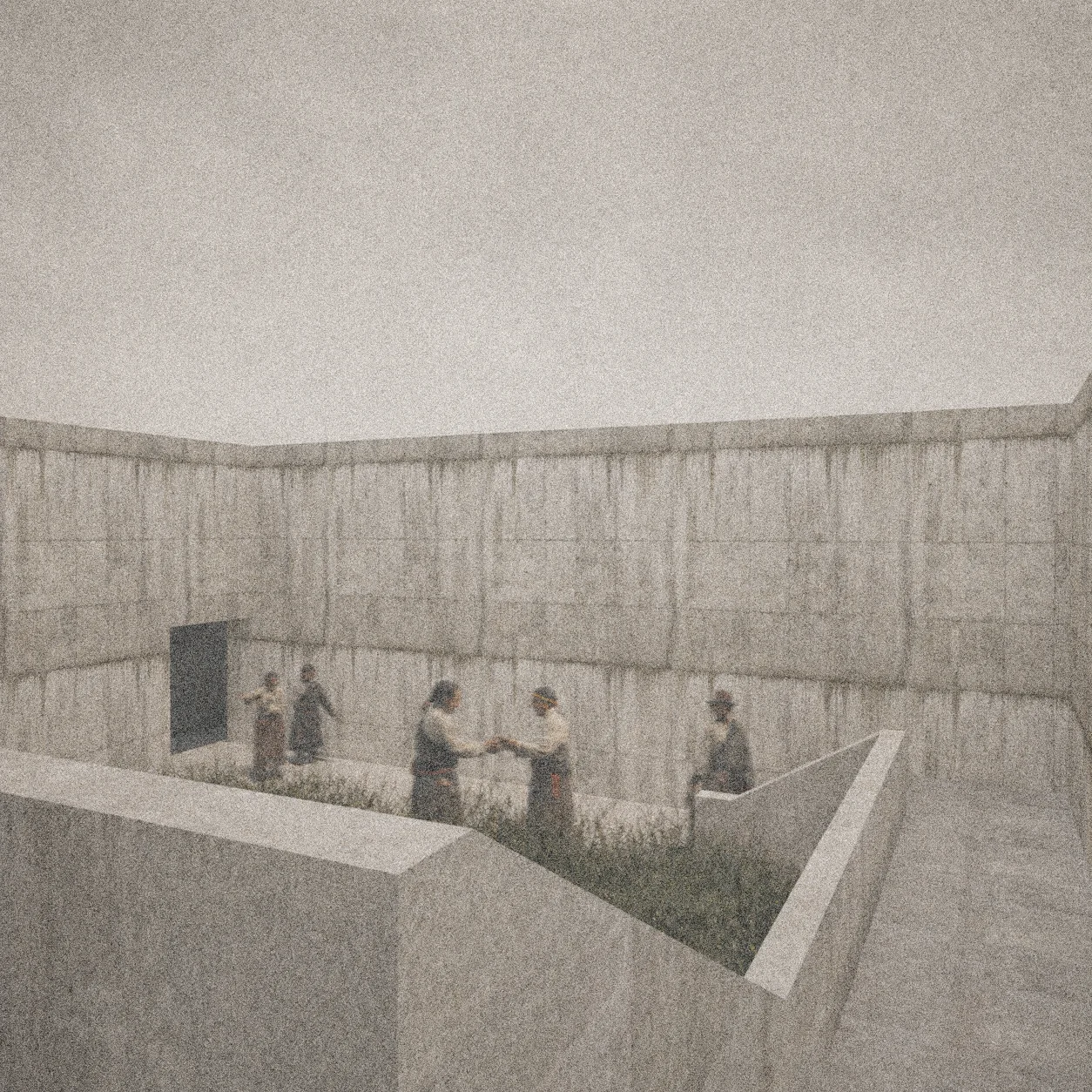
The sunken pit: names of highland species are engraved on its walls, arranged by altitude. A path climbs along them, and you feel the weight of the names.
The names
Endangered and regionally extinct highland species, with the plants of Pittsburgh’s plateau ecoregion selected for local cultivation, and the belts of altitude from the montane to the nival.
Open the drawing to read the names.
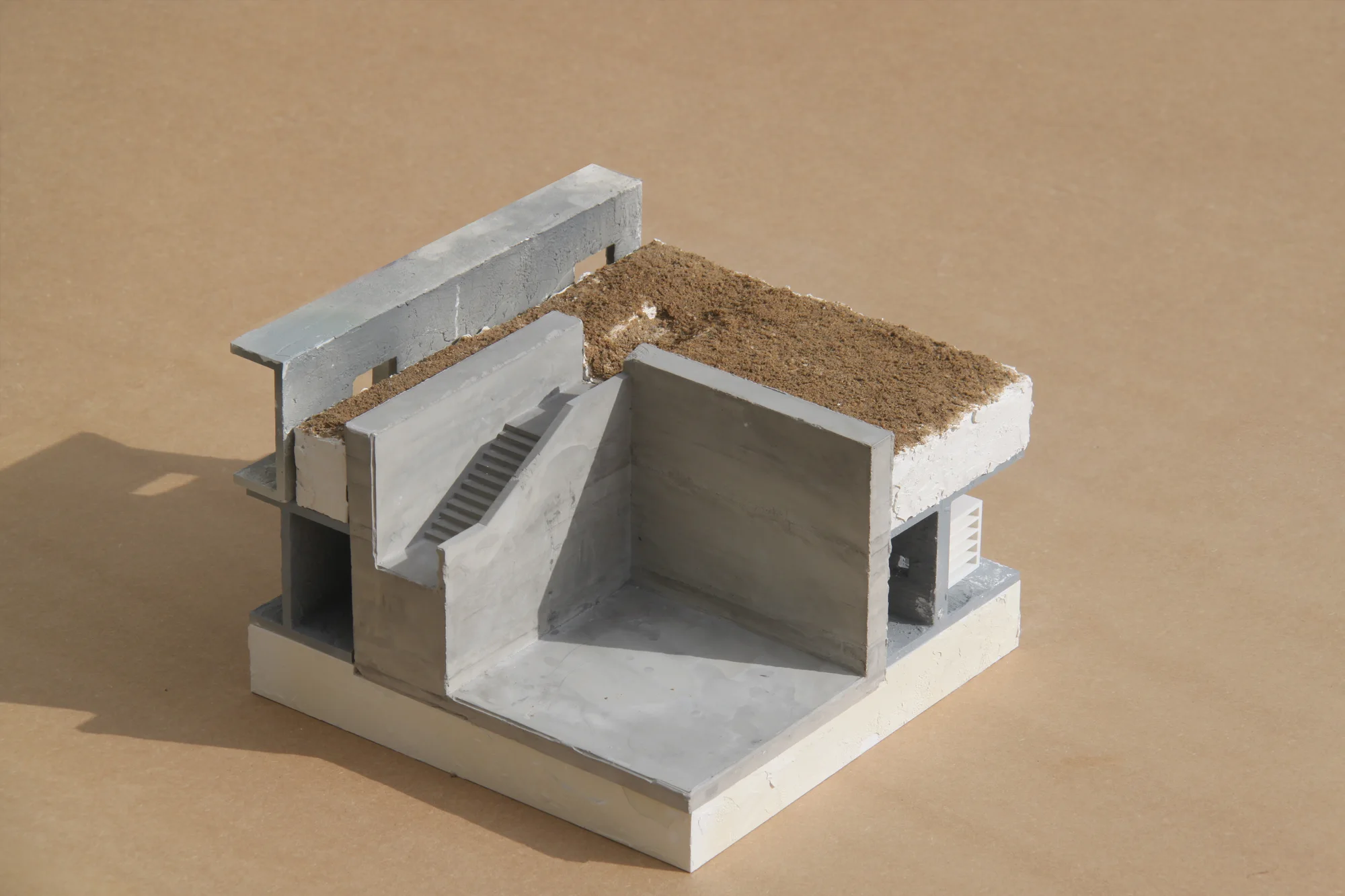
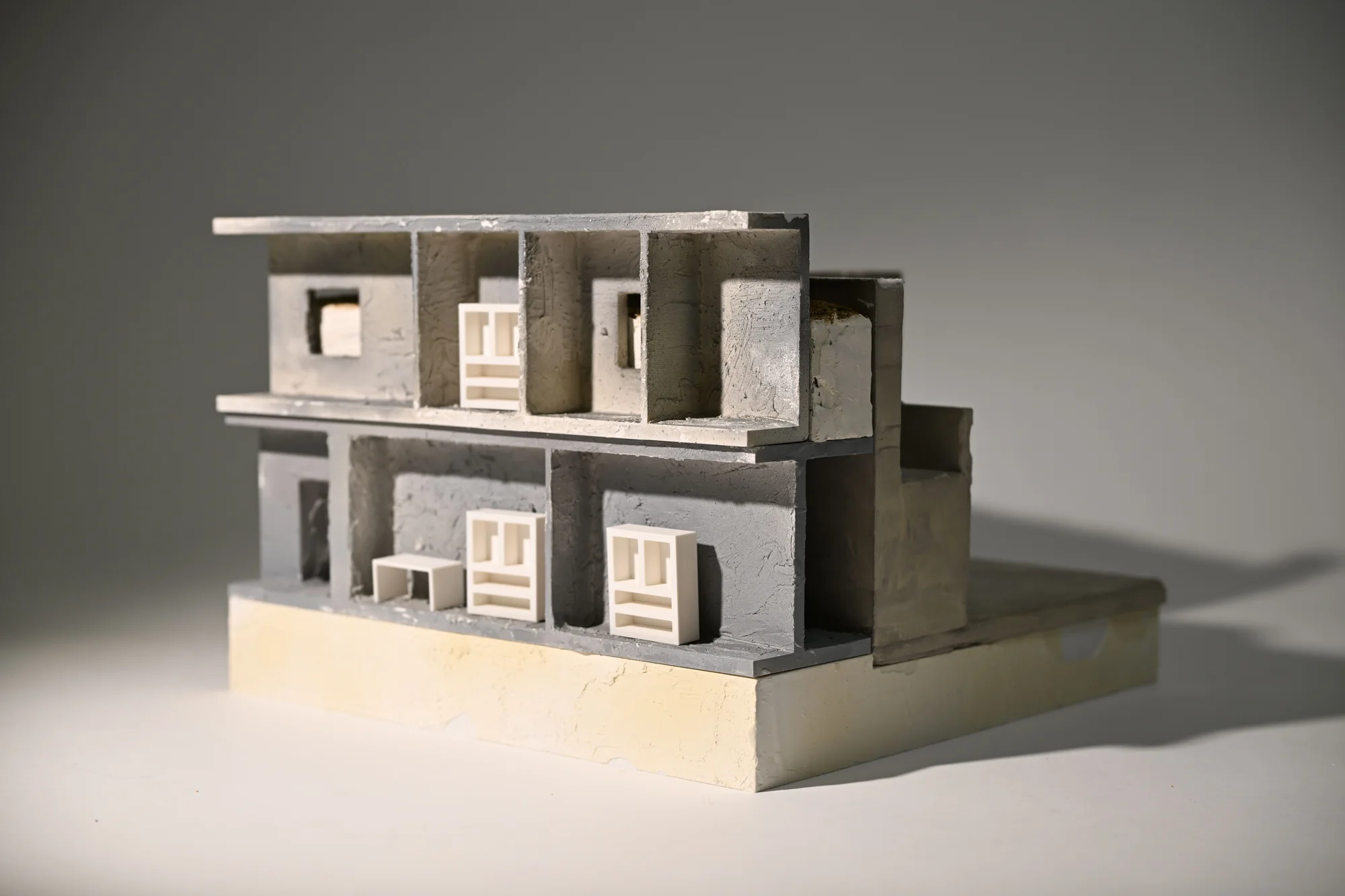
Wall Section
Models
One hundred years later
The building’s fate is not one of simple abandonment, but a slower, more pragmatic transformation. The mission shifts from open education toward long-term preservation; as maintenance contracts, the surrounding terrain begins to reclaim the structure.
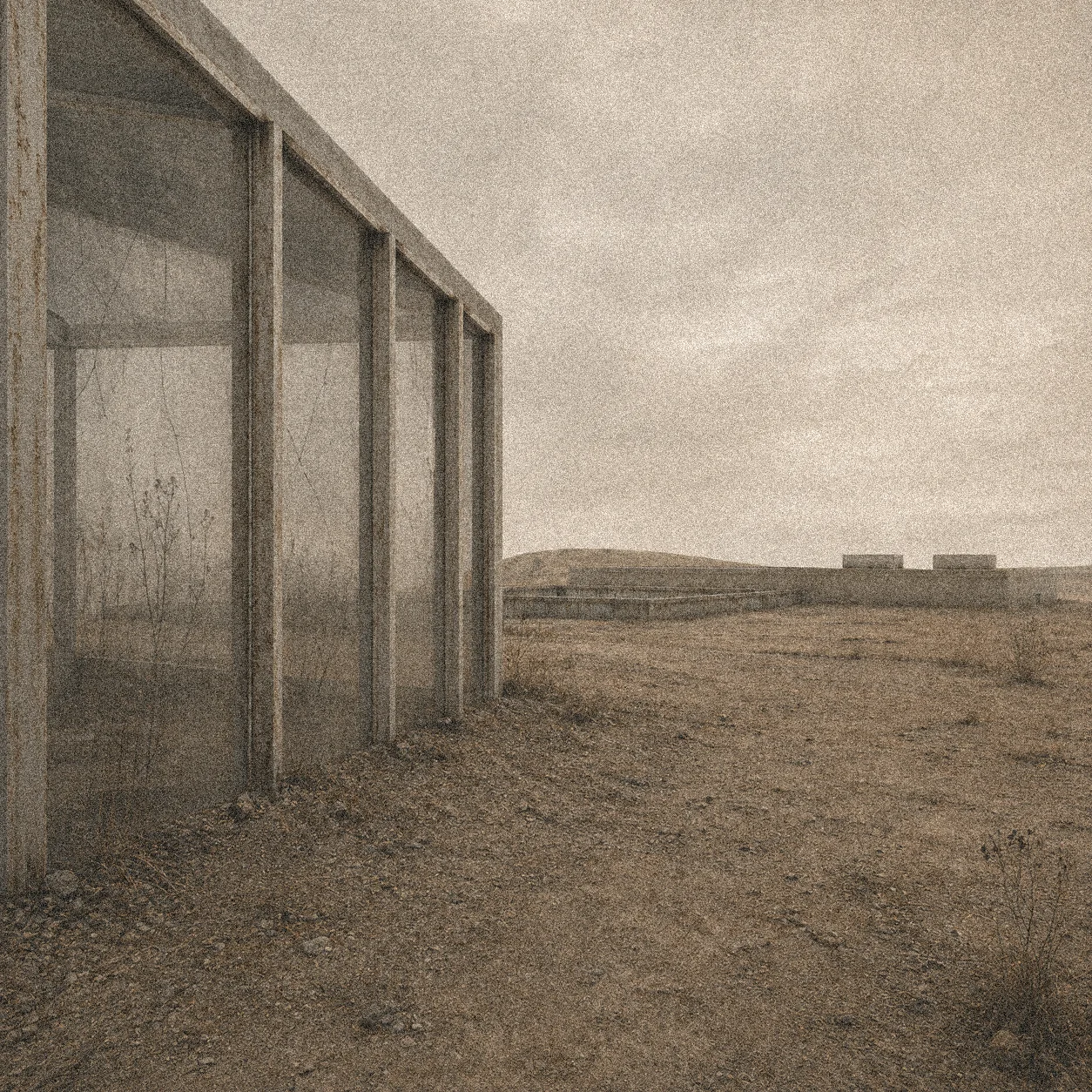
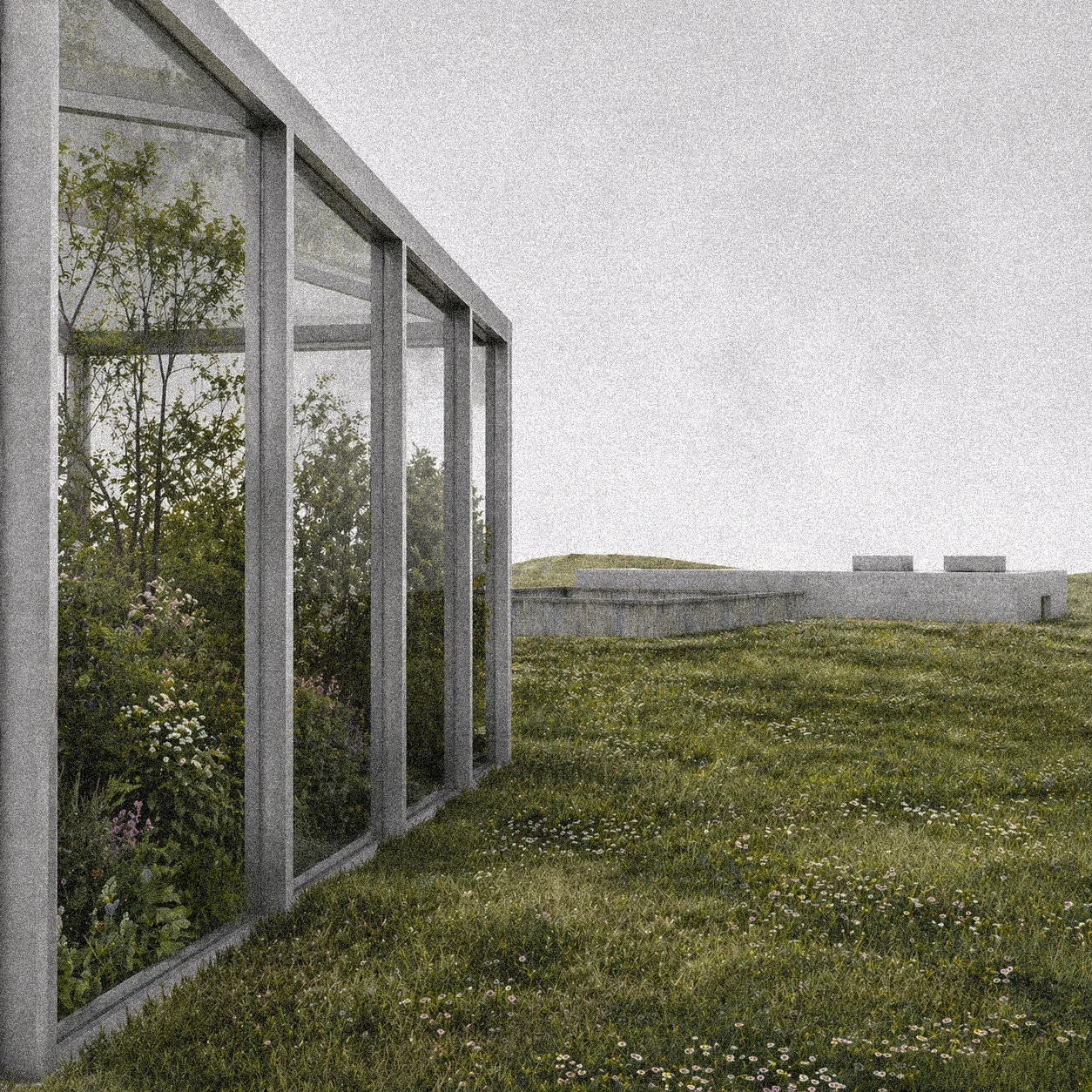
From a distance, a feature of the landscape: only skylights and concrete edges remain.
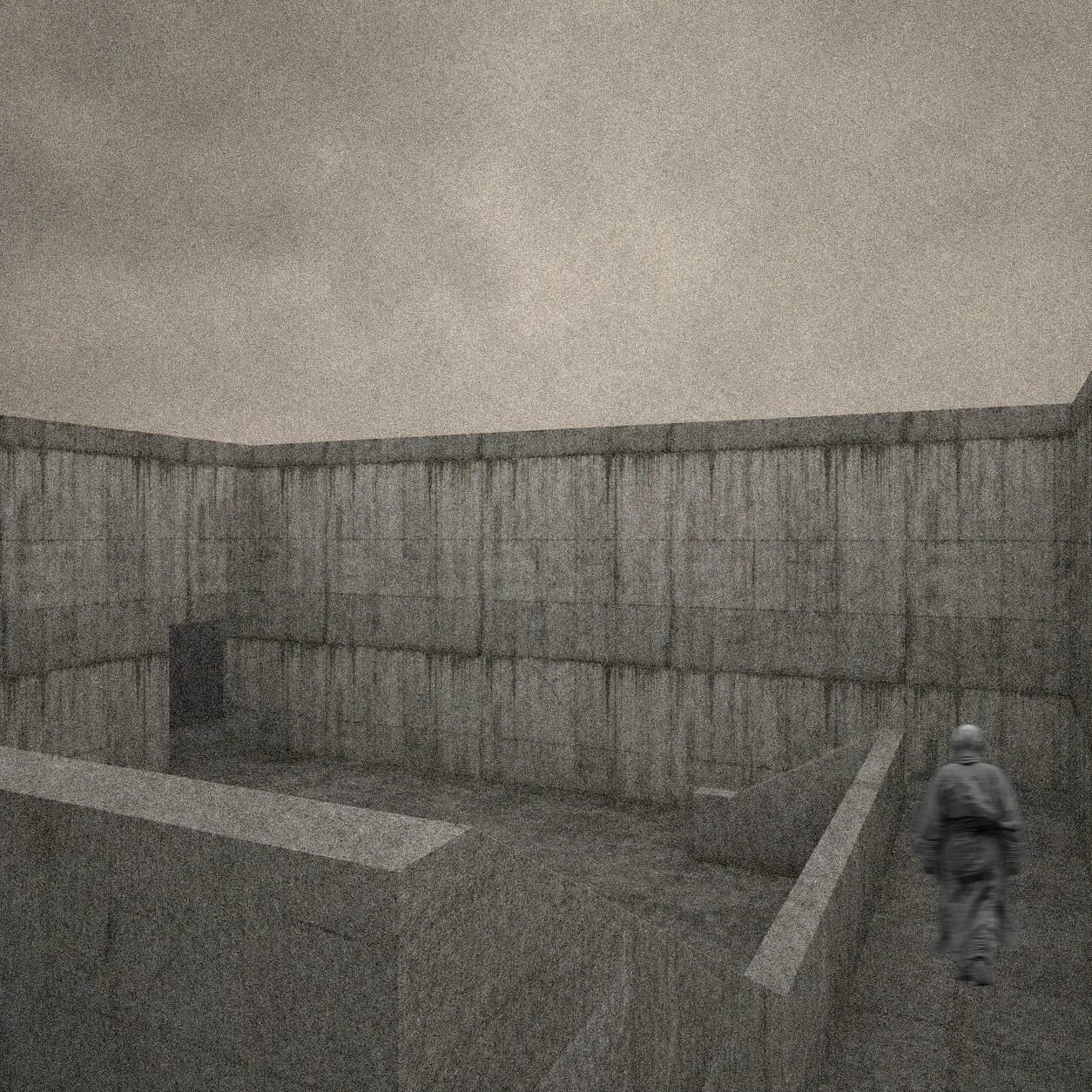
Public life fades. The sunken pit is preserved, older and darker.
A void of memory that refuses to be filled.